
Description
Technical Description – iTrans2 Universal Multi-Sensor Transmitter
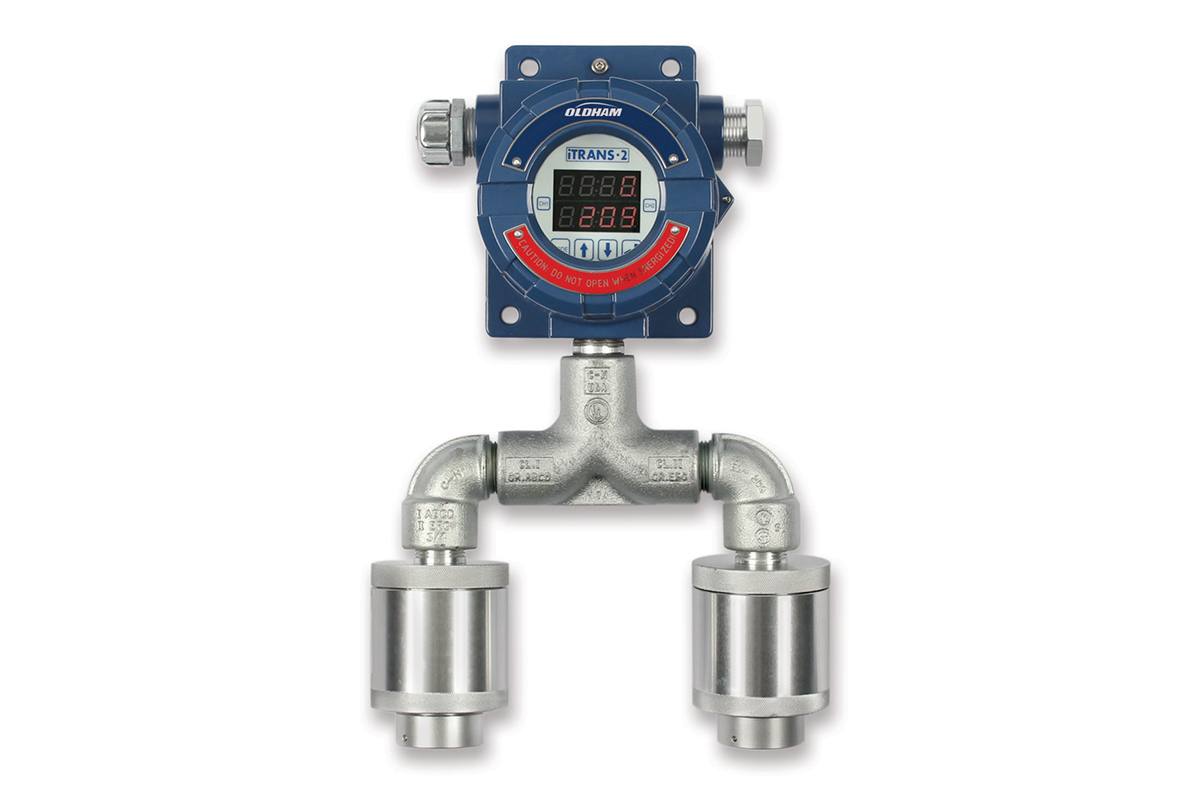
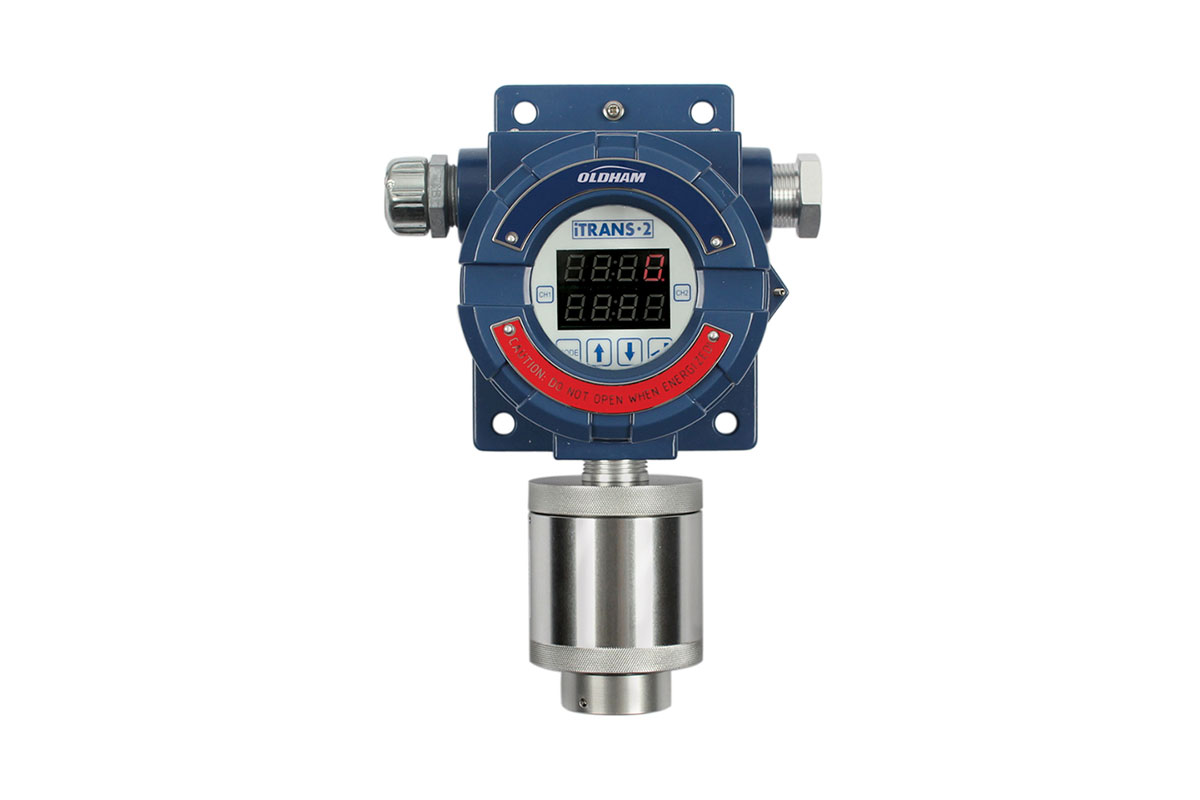
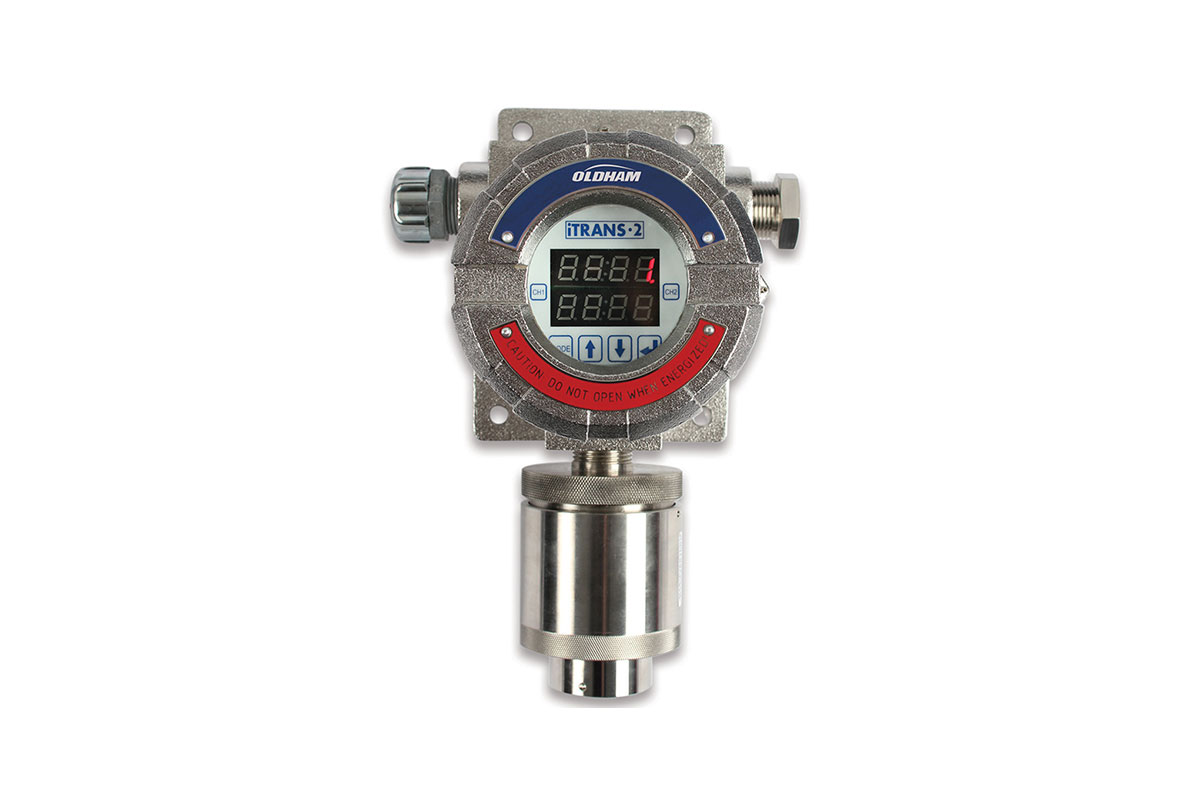
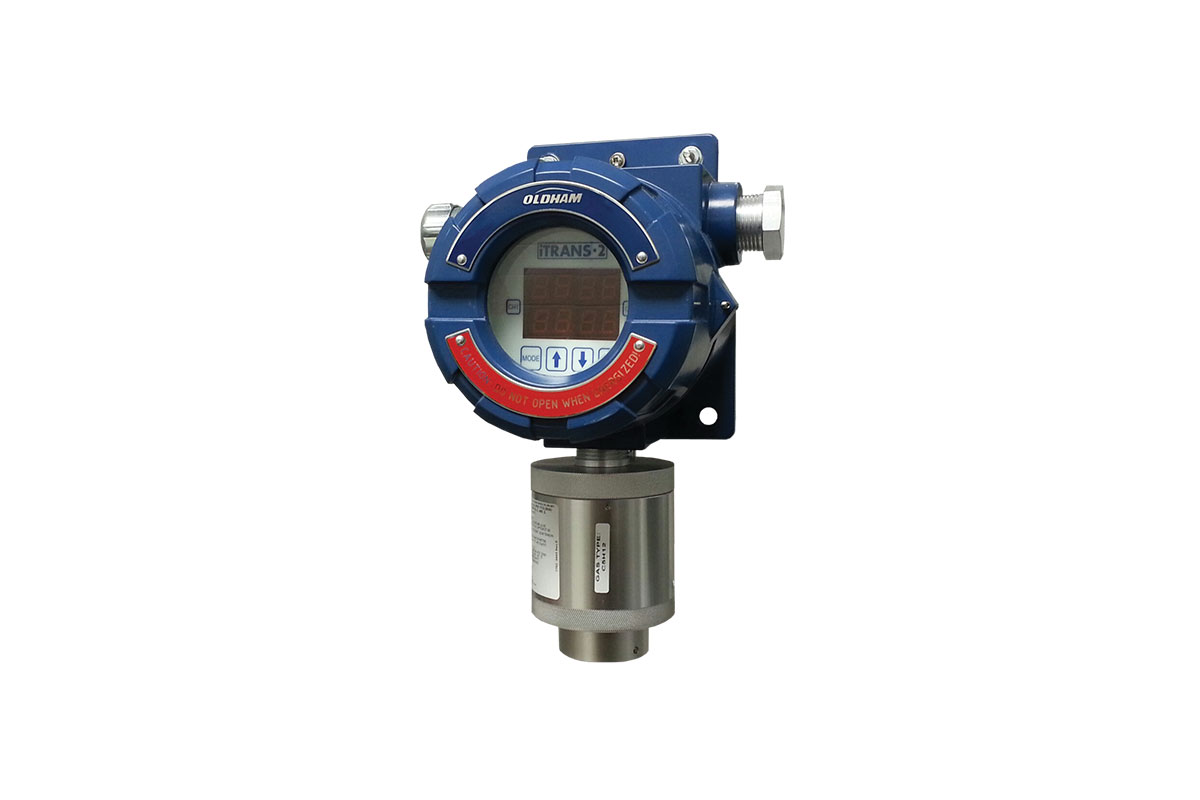
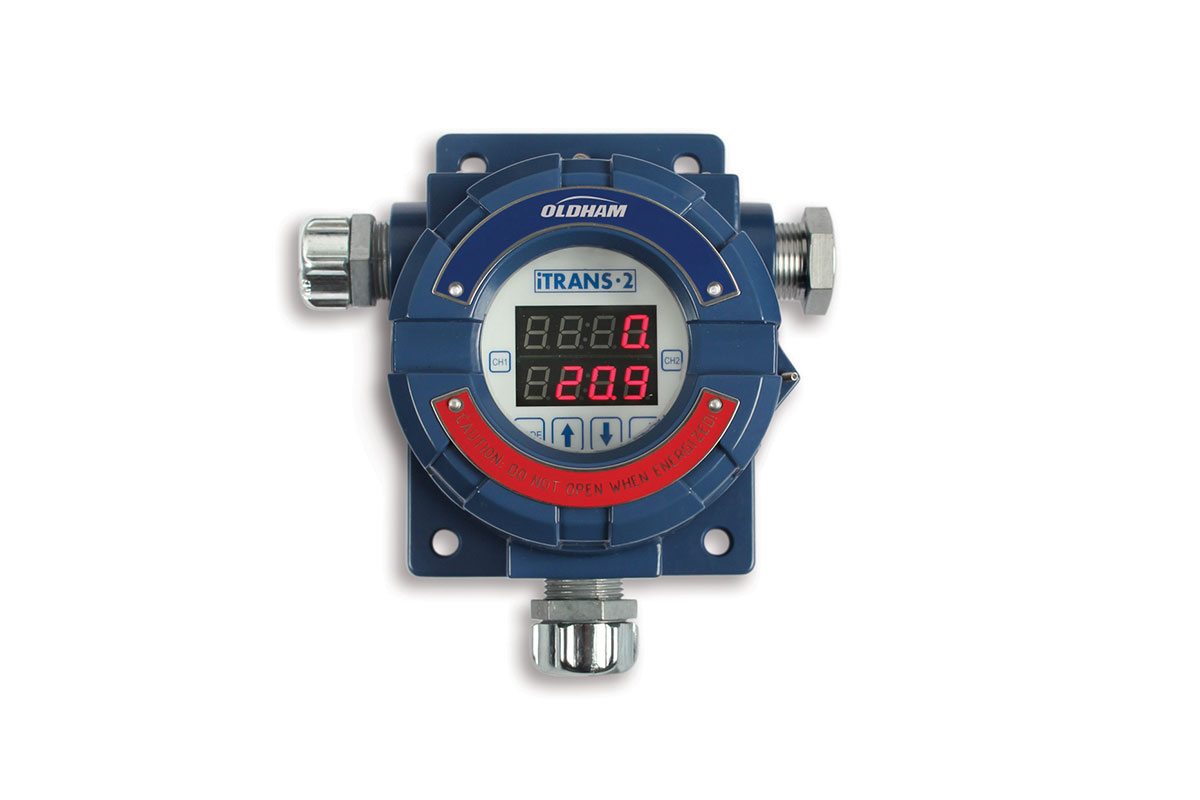
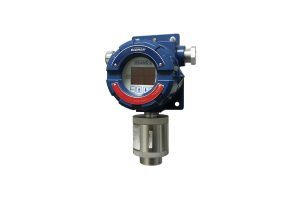
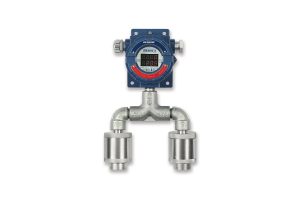
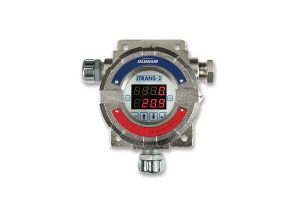
The iTrans2 from Teledyne Oldham Simtronics is a universal multi-sensor transmitter and fixed gas detector engineered for continuous monitoring of combustible, toxic, and oxygen gases in industrial and hazardous area environments. Delivering 1 or 2 points of detection from a single head, the iTrans2 combines an intelligent electronics platform with smart sensor technology to provide maximum flexibility, superior performance, and lower installation costs.
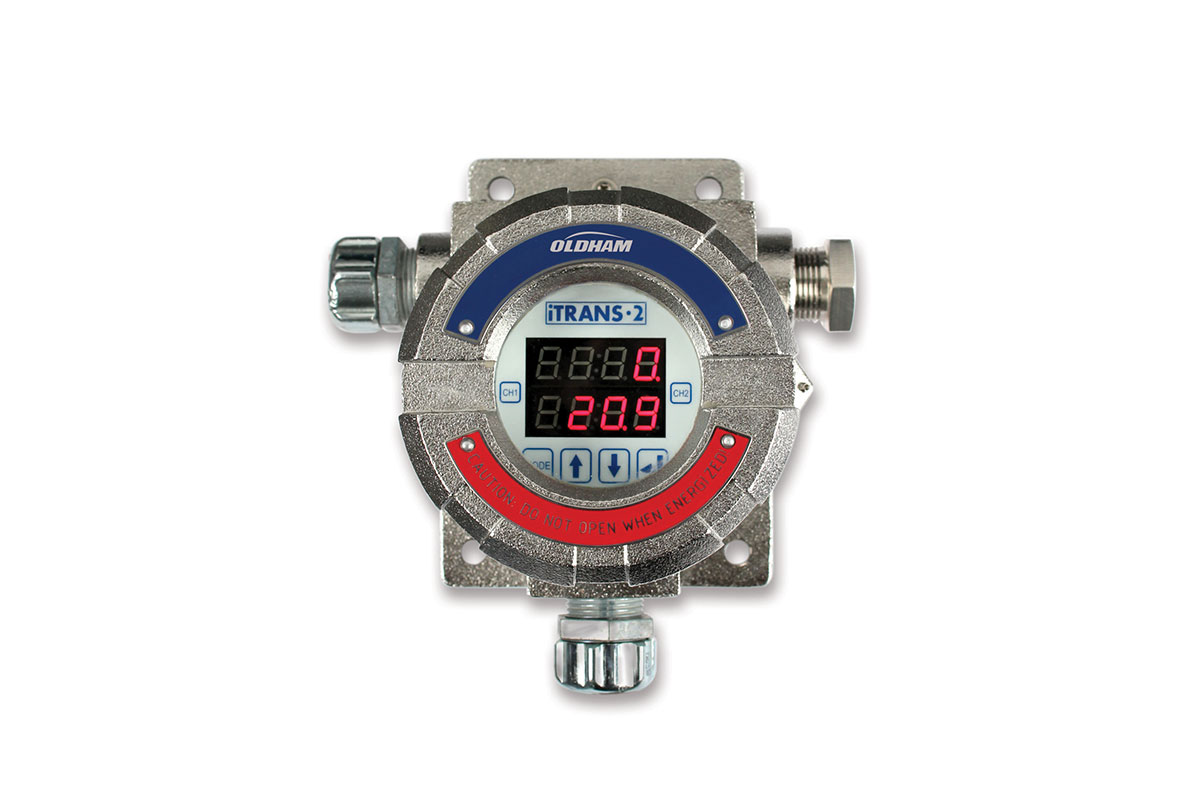
Built around an explosion-proof aluminium or 316 stainless steel housing, the iTrans2 supports electrochemical, catalytic bead, and infrared sensor technologies, making it one of the most adaptable fixed gas detectors available for industrial fire and gas safety systems.
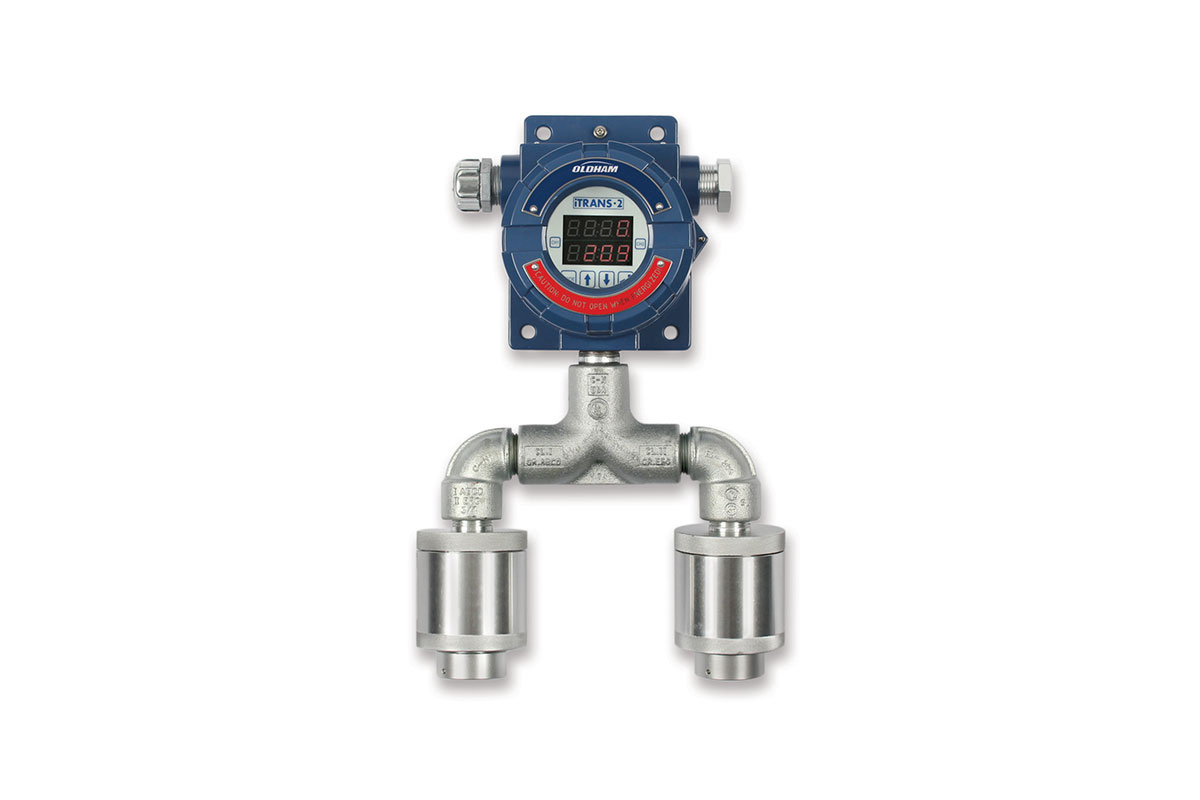
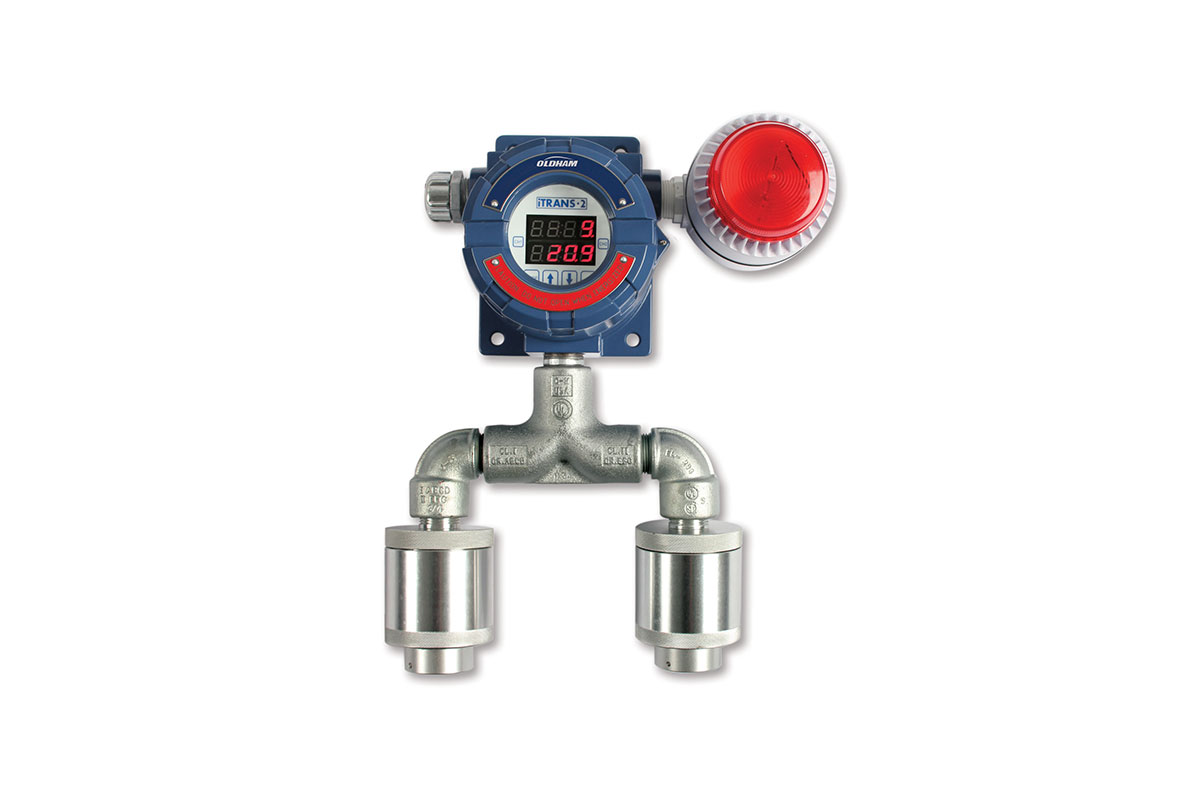
1 or 2 Points of Detection from a Single Head
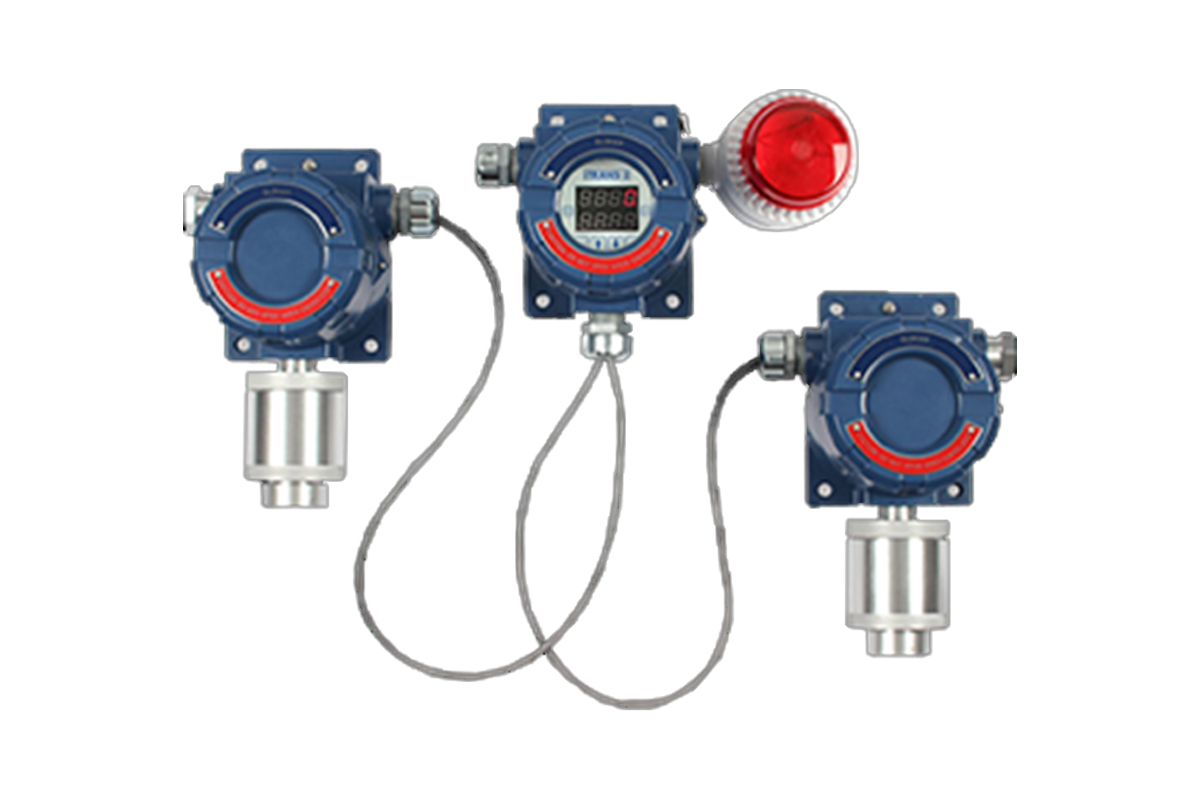
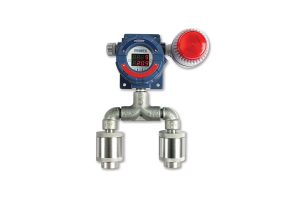
The iTrans2’s universal multi-sensor design allows a single transmitter to monitor up to two different gases simultaneously. Both sensors can be mounted directly to the transmitter, or one can be remotely mounted up to 200 metres away. This significantly reduces the number of transmitters required across a facility, lowering installation, cabling, and commissioning costs while increasing detection coverage.
Wide Sensor Offering
The iTrans2 supports a broad range of sensor technologies, enabling standardisation of gas detection equipment across multiple process areas:
- Electrochemical sensors for toxic gases and oxygen, including carbon monoxide (CO), hydrogen sulphide (H₂S), ammonia (NH₃), nitric oxide (NO), nitrogen dioxide (NO₂), sulphur dioxide (SO₂), chlorine (Cl₂), chlorine dioxide (ClO₂), hydrogen cyanide (HCN), hydrogen chloride (HCl), phosphine (PH₃), hydrogen (H₂), and oxygen (O₂)
- Catalytic bead sensors for combustible gases including methane, pentane, and hydrogen (0–100 % LEL)
- Infrared sensors for explosive gas detection (methane, butane, propane, ethylene, hexane), CO₂ detection from 0.5 % to 100 % by volume, and biogas applications with 0–100 % volume methane detection
The infrared sensor is particularly suited to severe environments where the presence of catalytic sensor poisons (silicones, sulphur compounds, halogenated hydrocarbons) would otherwise compromise detection performance.


Smart Sensors with Automatic Recognition
The iTrans2 uses factory pre-calibrated smart sensors that automatically transmit sensor information, including remaining sensor life, to the transmitter. Key smart sensor features include:
- Automatic sensor recognition for simplified replacement and commissioning
- Sensor life indicator displayed immediately after each calibration
- Factory pre-calibration for plug-and-play installation
- Access code security to prevent unauthorised changes
- Zero and cal fault protection for enhanced system integrity
Non-Intrusive Calibration
The iTrans2’s non-intrusive interface keys are operated with a simple magnetic wand, allowing full transmitter configuration and calibration without opening the explosion-proof housing. This eliminates the need for hot work permits and reduces calibration time in hazardous areas.
Flexible Communication and Wiring Options
The iTrans2 integrates seamlessly into modern gas detection systems with multiple communication options, including 4–20 mA analogue output, RS-485 Modbus (9600 baud), and optional HART Communication Protocol for remote diagnostics, configuration, and calibration. Both 3-wire and 4-wire installation configurations are supported.
Programmable Relays for Stand-Alone Operation
With optional on-board programmable relays, the iTrans2 can operate independently of a central control panel, activating local alarms, horns, fans, or system shutdowns without the need to wire back to a central controller. The relay package includes three alarm relays (5 A at 30 VDC), two user-programmable relays (SPST, normally open), and one fault relay (SPST, normally closed).
Hazardous Area Certification (Australia / New Zealand)
The iTrans2 is certified for use in hazardous industrial environments under the international standards recognised across the Australian and New Zealand markets, including IECEx certification under the AS/NZS 60079 series. The hazardous area marking is Ex db IIB + H₂ T5 Gb, with NEMA 4X / IP66 ingress protection.
The Specs at a Glance
| Sensors | Combustible Gases: Catalytic. Toxic / Oxygen: Electrochemical, Infrared (CO₂) |
| Warranty from date of shipment | 2 years on electronics. 3 years on infrared sensors (CO₂). 2 years on catalytic (LEL), CO and H₂S sensors. 18 months on O₂ sensors. 12 months on other sensors |
| Material | Epoxy-coated aluminium or 316 stainless steel |
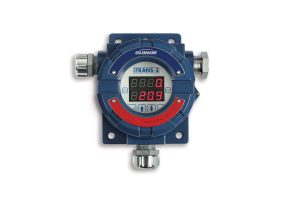
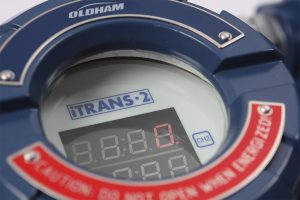
| Display | Dual-channel split-screen LED display (4-digit, 7-segment arrangement per channel) provides simultaneous display of one or two gases |
| Input voltage | 12–28 VDC operating range (24 VDC typical) |
| Power consumption | 150 mA at 24 VDC (electrochemical), 250 mA (catalytic), 170 mA (infrared), 350 mA (combined catalytic/infrared) |
| Ingress protection | NEMA 4X, IP66 |
| Response time (catalytic methane) | T50: < 10 seconds. T90: < 30 seconds |
| Operating temperature | –40 °C to +75 °C (sensor dependent) |
| Humidity range | 10–90 % RH (non-condensing) |
| Dimensions | 127 × 153 × 129 mm, 2.9 kg |
| Cable | 3-wire or 4-wire |
| Maximum cable loop | 15 Ω (3-wire), 10 Ω (4-wire) |
| Output signal | Standard: 4–20 mA (source) + RS-485 Modbus (9600 baud). Optional: HART Protocol |
| Alarm relays (optional) | 3 alarm relays (5 A at 30 VDC), two user-programmable (SPST, N.O.), one fault relay (SPST, N.C.) |
| Remote sensor distance | Up to 200 metres |
| Certifications | IECEx (AS/NZS 60079 series), Ex db IIB + H₂ T5 Gb |
Measuring Ranges
| Gas | Range |
|---|---|
| Combustible gases | 0–100 % LEL in 1 % increments |
| Hydrogen | 0–999 ppm in 1 ppm increments |
| Oxygen | 0–30 % by volume in 0.1 % increments |
| Ammonia | 0–500 ppm in 1 ppm increments |
| Carbon monoxide | 0–999 ppm in 1 ppm increments |
| Hydrogen sulphide | 0–500 ppm in 1 ppm increments |
| Sulphur dioxide | 0.2–99.9 ppm in 0.1 ppm increments |
| Hydrogen cyanide | 0.2–30 ppm in 0.1 ppm increments |
| Hydrogen chloride | 0.2–30 ppm in 0.1 ppm increments |
| Phosphine | 0–1 ppm in 0.01 ppm increments |
| Nitrogen dioxide | 0.2–99.9 ppm in 0.1 ppm increments |
| Nitric oxide | 0–999 ppm in 1 ppm increments |
| Chlorine | 0.2–99.9 ppm in 0.1 ppm increments |
| Chlorine dioxide | 0.02–1.00 ppm in 0.01 ppm increments |
| Carbon dioxide | 0–0.5 %, 0–5 %, and 0–100 % by volume |
Typical Applications
- Oil and gas processing and storage
- Offshore drilling and FPSO installations
- Petrochemical and chemical plants
- Utilities and power generation
- Water and wastewater treatment plants
- Food and beverage production
- Biogas and renewable energy facilities
- Industrial refrigeration and cold storage
Cryogenics
Hover Box Element
Click edit button to change this text. Lorem ipsum dolor sit amet, consectetur adipiscing elit. Ut elit tellus, luctus nec ullamcorper mattis, pulvinar dapibus leo.
Water Industry
Hover Box Element
Click edit button to change this text. Lorem ipsum dolor sit amet, consectetur adipiscing elit. Ut elit tellus, luctus nec ullamcorper mattis, pulvinar dapibus leo.
IECEx Certificate of Conformity
Hover Box Element
Click edit button to change this text. Lorem ipsum dolor sit amet, consectetur adipiscing elit. Ut elit tellus, luctus nec ullamcorper mattis, pulvinar dapibus leo.